Salon Operations
Building a Retail Product Line for Your Salon

A salon retail line works when it mirrors the services you deliver, is small enough for your team to know properly, and is priced from landed cost rather than from a markup rule. Most salon retail fails on the first of those three.
The pattern is consistent: a shelf full of products nobody on the team uses during services, recommended half-heartedly, discounted after a year. The stock was not wrong — the connection to the service was missing.
Here is how to build a shelf that sells itself, and what to do about the one you already have.
Start from the service, not the catalog
The strongest retail sale in any salon is the product the client just watched work. A stylist who finishes with a curl cream and can hand the client that exact cream has done the entire sale during the service.
So build backward. List the services you deliver most often, identify what you use during them, and stock those. Anything on the shelf that never appears at the chair is a product asking your team to make a cold sale between appointments.
This also solves the training problem. A team already uses these products daily, so nobody needs to learn a new line to recommend it credibly.
Keep the shelf small
Eight to twelve products is enough for most independent salons. A team can know twelve products properly; nobody knows forty, and a shelf of forty converts worse than a shelf of twelve for exactly that reason.
Cover the routine slots rather than the ingredient trends: a cleanser, a conditioner, a treatment, a styling product for each of the main textures you serve, and one or two finishing items.
Depth beats breadth on a small shelf. Running out of your best seller to make room for a fourth styling cream is a trade nobody wins.
Price from landed cost
Take what the product actually costs you — including freight — and price to the margin your salon needs. Markup rules borrowed from someone else’s business hide too much to be reliable.
Do not price against national retailers on identical products. That comparison is unwinnable and it is the wrong fight; your advantage is the recommendation, the demonstration and the fact the client is already in the chair.
Where possible, stock products that are not sold at deep discount by everyone. Products in a permanent price war train clients to buy elsewhere no matter how good the recommendation was.
Make recommending easy
Stylists under-recommend for two reasons: they feel like they are selling, and they are unsure of the price. Both are fixable.
Reframe the recommendation as part of the service, because it is. Explaining how to maintain the result at home is professional advice, not a pitch, and clients experience it that way when it is delivered during the service rather than at the register.
Put prices where the team can see them without checking. Uncertainty at the moment of recommendation is what turns a confident suggestion into a vague one.
Merchandise for the person in the chair
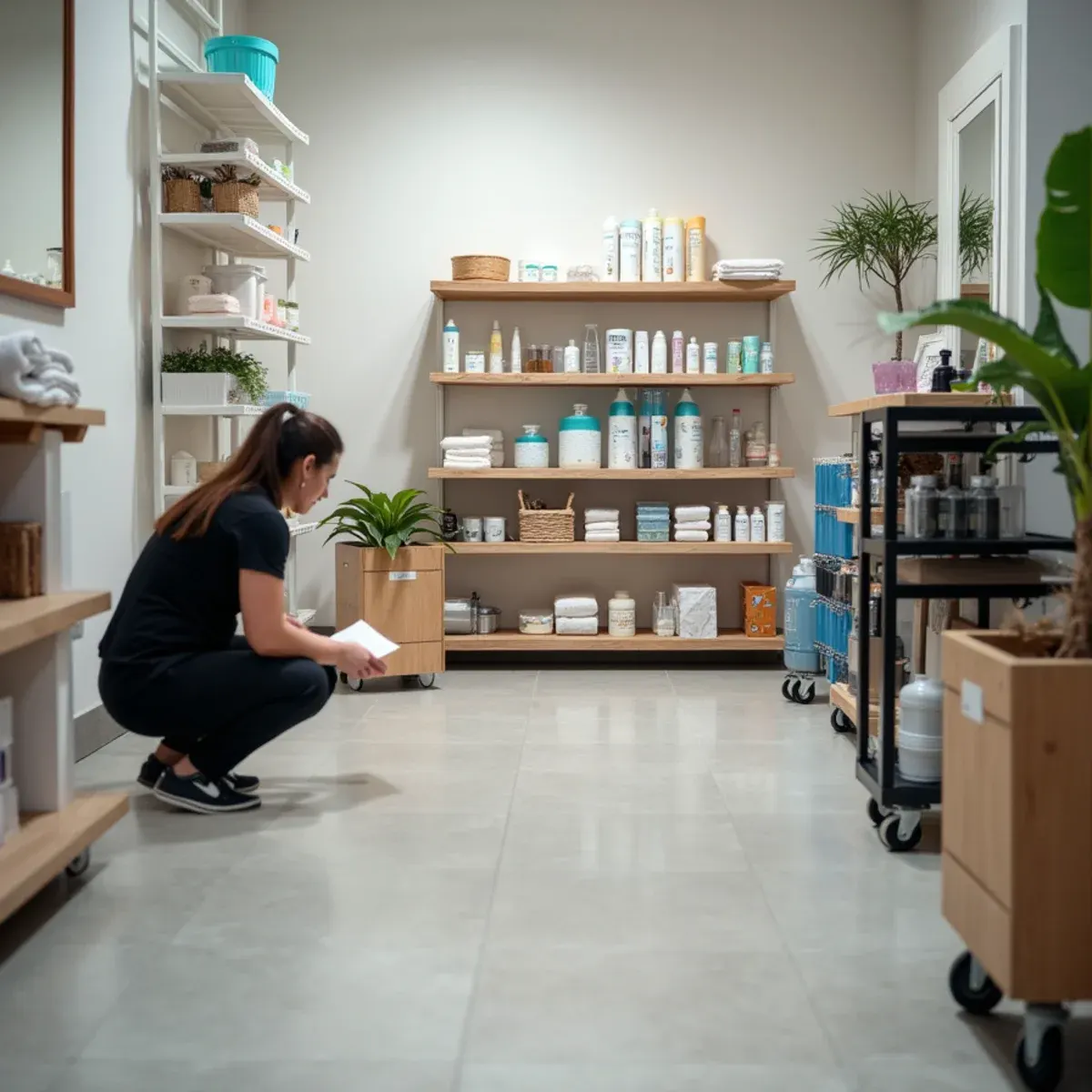
Most salon retail is sold to people already inside the building, which means placement should follow the client journey: visible from the chair, easy to reach from the register, and grouped by what they do rather than by brand.
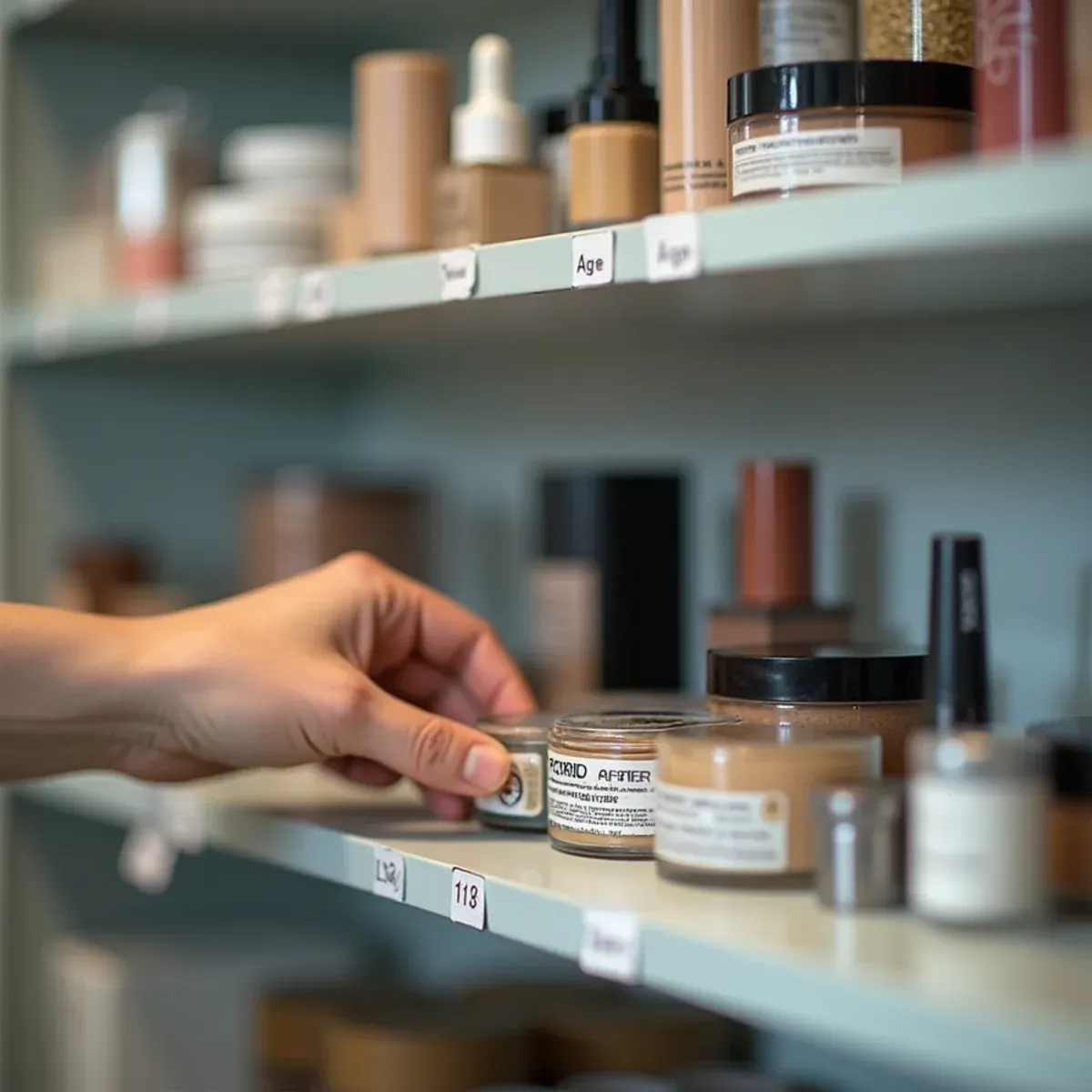
Keep it clean and full-looking. A half-empty shelf with three of one item and one of another reads as leftovers and depresses sales across the whole display.
Reception areas frequently hold space that earns nothing. A small jewelry or wellness selection there captures spend from clients who are already waiting, without needing the depth that haircare retail requires.
Fixing a shelf that is not moving
Cut first. Identify anything that has not sold in ninety days and clear it — bundle it with a proven seller, discount it, or use it on the back bar. Dead stock does not become live stock by waiting.
Then check the service connection. If the remaining products still are not used during services, the problem is structural rather than promotional, and no amount of shelf-talkers will fix it.
Rebuild small. Eight products that match your services and sell reliably is a better position than thirty that look impressive and turn twice a year.
Who owns the retail in a booth-rental salon?
This is the question every rented-chair salon eventually hits. In a commission salon the owner buys the stock, sets the price and pays a retail percentage on top of service pay. In a booth-rental or suite arrangement the renter is running a separate business, so whoever bought the product keeps the sale. The trouble starts when nobody decided, and the same shampoo sits on two shelves at two prices.
An owner has three workable answers: run a house shelf and keep the retail, stay out of retail entirely and leave it to the renters, or supply renters at your cost and let them set their own price. Any of the three is fine. Put the choice in the rental agreement in writing, along with who gets which display space, because retail is not something a rented chair automatically includes.
If you rent, retail is a revenue line you own outright, which is the argument for buying it yourself even in a suite with one shelf. Start with two or three items you reach for on almost every client. That only works with a supplier who will sell you small quantities — a case-only distributor turns a three-product shelf into a two-year commitment.
The second sale is where salon retail becomes a business
The first sale is the demonstration. The second is the business. A client on a six-to-eight-week cycle finishes a bottle somewhere near the next appointment, which means the reorder is already scheduled — you only have to remember it. Salons that treat retail as a one-time event at the register rebuild every sale from nothing, over and over, with clients they already know.
So write it down. Note what each client bought and when, in the same record where the formulas live. At the next appointment it is not a pitch, it is a check: are you getting low on the leave-in? Clients hear that as being remembered rather than sold to, and it costs the stylist a few seconds at the shampoo bowl.
Size choice quietly decides the rhythm. A liter that lasts through four visits breaks the cycle; a travel size gone in ten days is too small to feel like a purchase. Match the size to the visit interval where the line gives you the option. And when a regular buyer stops, ask why — that answer is more useful than any report you can run.
Frequently asked questions
How many products should a salon retail shelf carry?
Eight to twelve for most independent salons. A team can know twelve products properly and recommend them credibly; a shelf of forty converts worse precisely because nobody knows it.
Why does salon retail stop selling?
Almost always because the products are not used during services. The strongest salon sale is the product a client just watched work, and anything never seen at the chair requires a cold sale instead.
How should salon retail be priced?
From landed cost — product plus freight — to the margin the salon needs. Avoid competing with national retailers on identical products, and avoid lines that are permanently discounted elsewhere.
What should I do with salon retail that will not sell?
Clear anything unsold in ninety days by bundling it with a proven seller, discounting it, or moving it to the back bar. Then rebuild smaller around products actually used during services.
Who keeps the retail sales in a booth-rental salon?
Whoever bought the stock. In a commission salon the owner buys and typically pays a retail percentage; in a booth-rental or suite arrangement the renter is a separate business and keeps their own retail. Decide it before you open a shelf and write it into the rental agreement, including who gets which display space.
Can a stylist in a single suite run retail?
Yes, and it is worth doing because the revenue is yours outright. Start with two or three products you use on nearly every client rather than a full shelf. The limiting factor is usually the supplier: small quantities make a three-product shelf possible, while case-only buying turns it into a long commitment.
How do I get clients to buy the same product again?
Track it. Note what each client bought and when, in the same record that holds their formula, then check in at the next appointment rather than pitching at the register. Clients on a six-to-eight-week cycle usually finish a bottle around their next visit, so the reorder is already on the calendar.
Does product size affect salon retail repeat sales?
It does. A size that outlasts several appointments breaks the reorder rhythm, and a travel size gone in a week or two never feels like a real purchase. Where the line offers a choice, match the size to how often the client comes in, so the empty bottle and the next visit land together.