Product Knowledge
How to Store Beauty Products Properly

Store beauty products cool, dry and out of direct light. The practical target is a stable room temperature, low humidity, and no sunlight falling on stock — conditions that most bathrooms and many stockrooms fail to meet.
Storage is the most overlooked cause of product loss in beauty retail. Nothing looks wrong, no date has passed, and the product simply performs worse than it should.
The three enemies are heat, light and humidity, and each damages products in a different way.
Heat: the fastest way to lose product value
Heat accelerates every chemical reaction in a formulation. Emulsions separate, actives degrade faster, lipsticks and balms soften and lose shape, and preservative systems become less effective over time.
The problem places are predictable: a car in July, a stockroom under a flat roof, a shelf above a radiator, a display in a sunny window. In Michigan, an unconditioned back room can swing forty degrees between February and July, and stock stored there ages accordingly.
A stable temperature matters more than a cold one. Repeated cycling between warm and cool is harder on emulsions than a consistently warm room, because each cycle stresses the emulsion structure.
Light: the quiet destroyer of actives
Ultraviolet and visible light both degrade light-sensitive ingredients. Vitamin C, retinoids and many botanical extracts lose potency measurably faster in clear packaging under light than in opaque containers.
This is why serious active skincare ships in opaque or airless packaging. If you have decanted a product into a clear container, or you display active skincare in a sunlit window, you are shortening its effective life regardless of the date on the box.
For retail displays, the practical rule is to keep backup stock in its outer cartons in a dark storage area and only display what you need on the shelf. The carton exists for exactly this reason.
Humidity: the reason bathrooms are the worst place
The bathroom shelf above a shower is the single worst storage location in most homes, and it is where most people keep their products. Steam raises humidity and temperature simultaneously, and both accelerate microbial growth in anything water-based.
Humidity also damages powders, which cake and develop a hard surface film, and it dulls plated jewelry noticeably faster than dry storage.
For businesses, damp basements and unconditioned back rooms are the equivalent problem. Michigan basements in particular run humid enough through summer to affect stock, and a dehumidifier in a storage area is a cheap fix for a real cost.
Should anything go in the fridge?
A few things genuinely benefit. Vitamin C serums and some natural or preservative-light formulations last longer refrigerated, and eye products stored cool can feel better on application.
Most products should not be refrigerated. Oil-based products, foundations and anything with a wax or butter base can separate, harden or change texture at low temperatures, and some do not recover when warmed back up.
Never freeze cosmetics. Freezing splits emulsions permanently and can crack glass. This is a real concern for anything shipped through a Michigan winter, which is why condition-sensitive products should be flagged before dispatch.
Storage for salons and retailers
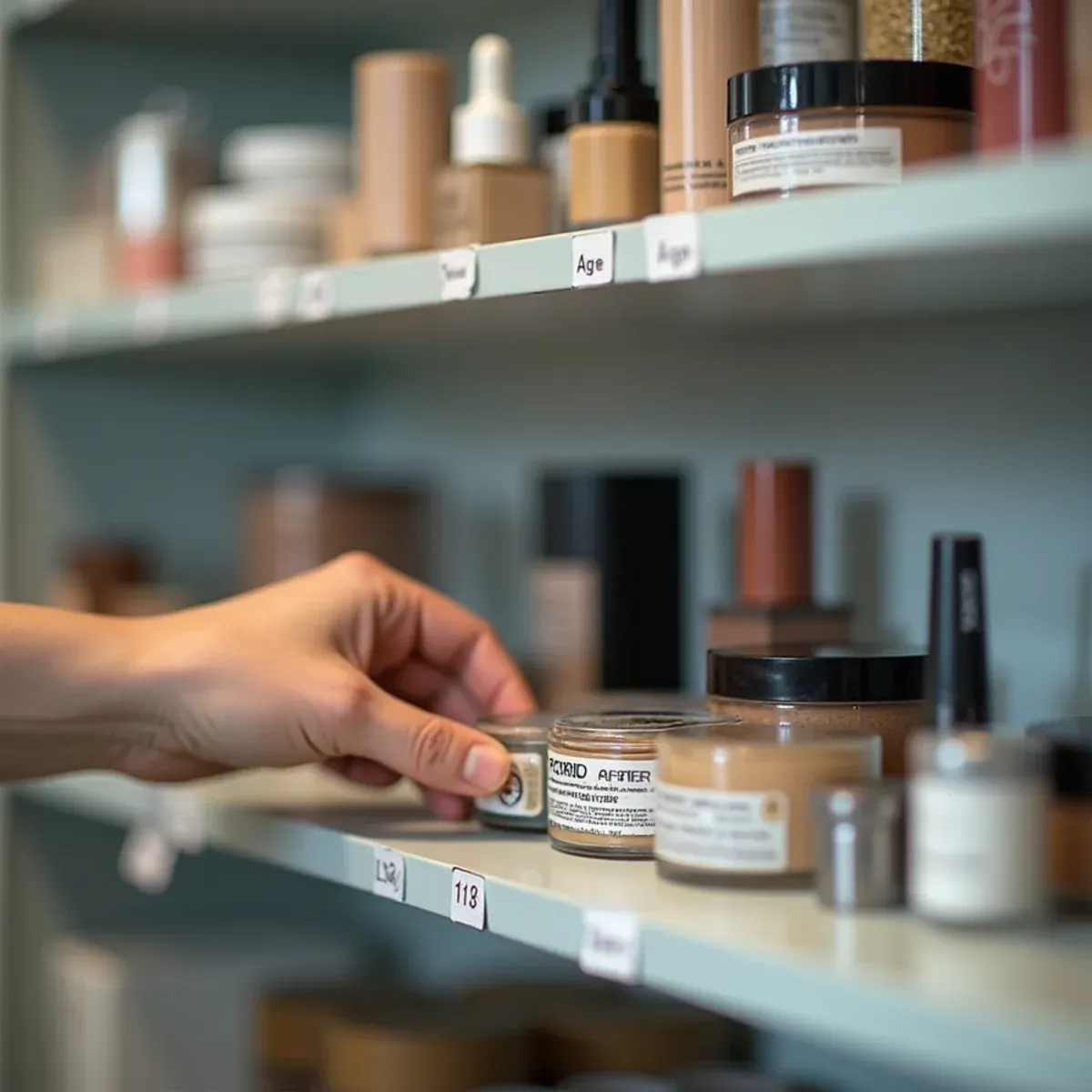
Keep backup stock in cartons, off the floor, away from exterior walls, and out of any area that gets direct sun. Exterior walls in older buildings swing further in temperature than interior storage.
Rotate properly. First in, first out is straightforward in principle and constantly violated in practice, because new deliveries get placed in front of existing stock rather than behind it.
Check your storage temperature in both February and July before assuming it is fine. A room that is comfortable in spring can be well outside a sensible range in either extreme, and stock is the thing paying for it.
Put real numbers on cool and dry
Cool and dry is easier to act on with figures attached. Common guidance for storing finished personal care stock is a room held roughly between 59 and 77 degrees Fahrenheit, with relative humidity somewhere around 40 to 60 percent. Individual manufacturers publish their own limits, and those take precedence, but that band is a reasonable working target for a mixed catalog.
A dial thermometer and a hygrometer cost very little and turn an opinion into a record. Units that log a minimum and maximum are more useful than ones that only show the current reading, because the damage happens at the extremes rather than at the moment you happen to walk in. Leave one where the stock actually sits, not by the door.
Numbers also settle arguments about where stock goes. A shelf that reads eighty-five degrees on an August afternoon is not suitable, whatever it feels like in April. Below the range matters too: an unheated garage or an entryway that drops near freezing in a Warren winter puts emulsions at risk, and the reading tells you before the product does.
Air, and why the container is part of the storage plan
Heat, light and humidity get the attention; air does quiet damage alongside them. Every time a container is opened, the space above the product refills with fresh oxygen, and that space grows as the product is used. Oxidation-prone formulas — anything with vitamin C, unsaturated oils, or a fragrance built on citrus — lose ground each time, and none of it shows on a label.
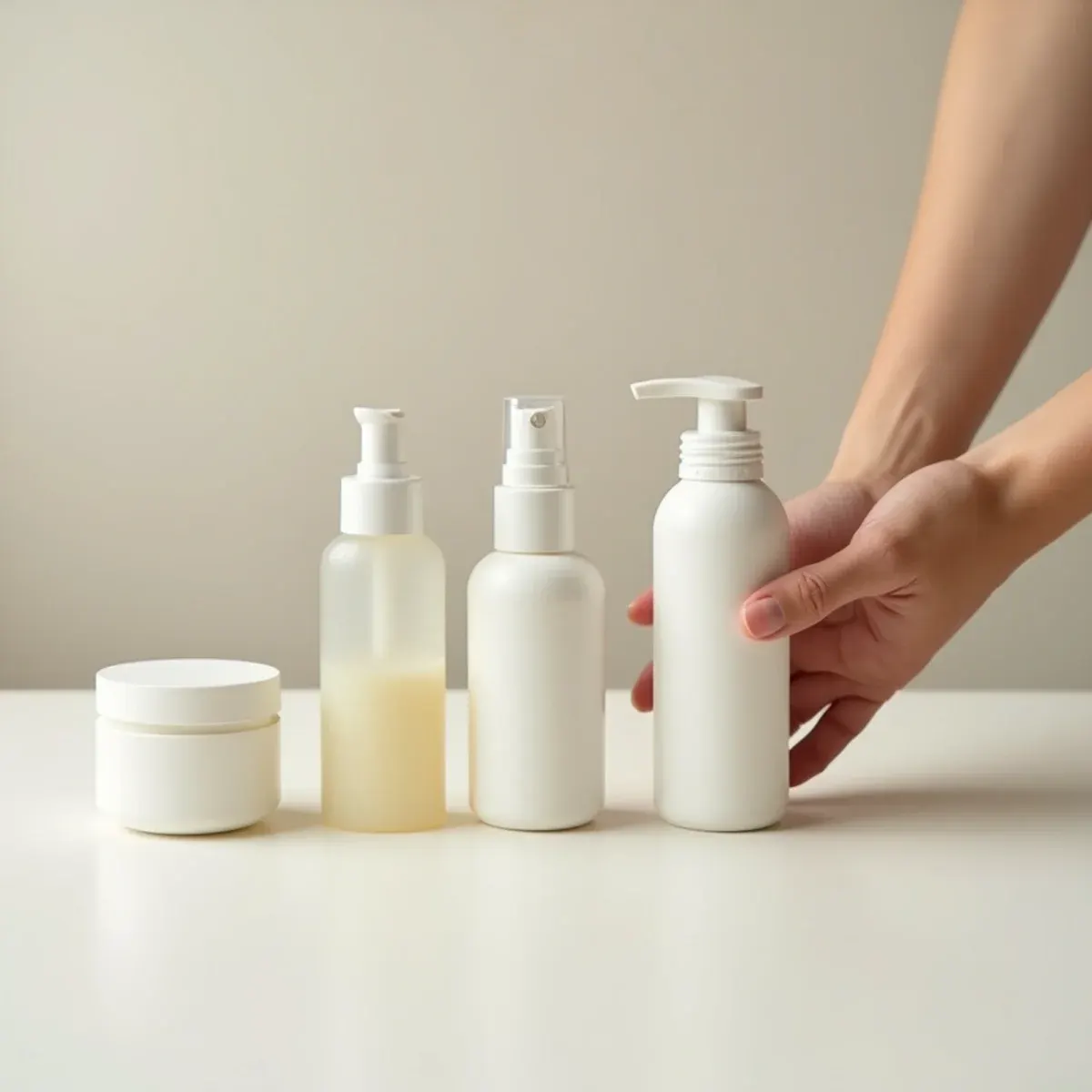
Container type decides how much air gets in. An airless pump keeps the formula sealed and dispenses without drawing air back; a dropper pulls in a fresh charge of air with every twist; an open jar exposes the whole surface and takes fingers with it. That ranking is worth knowing when you decide which format to stock deep and which to buy in smaller sizes.
The habits that follow are small. Close caps fully rather than resting them on, seat pump collars, and keep jar products out of reach of bare fingers by supplying a spatula. Decanting into a travel pot undoes the packaging you paid for, so treat it as a short-term move and use a clean, sealed container when you do it at all.
Frequently asked questions
What temperature should beauty products be stored at?
A stable room temperature, out of direct sunlight and away from heat sources. Stability matters more than coolness — repeated warm-cool cycling stresses emulsions more than a consistently warm room.
Is the bathroom a bad place to store cosmetics?
Yes, particularly a shelf above a shower. Steam raises humidity and temperature at once, which accelerates microbial growth in water-based products and cakes powders.
Should vitamin C serum be refrigerated?
It can help. Vitamin C is oxidation-prone and lasts longer stored cool and dark. Most other products should not be refrigerated, and nothing should be frozen — freezing splits emulsions permanently.
How should a retailer store backup stock?
In its outer cartons, off the floor, away from exterior walls and out of direct sun, in a space checked for temperature and humidity in both summer and winter. Rotate first in, first out.
Should stock be rotated by delivery date or by the date on the product?
By the date on the product. First in, first out assumes the oldest delivery holds the oldest stock, and that breaks down when a later shipment contains an earlier production run. Write the received date and any period-after-opening or expiration marking on the carton as it arrives, then shelve and pick by that.
Do jars shorten the life of a product compared with pumps?
Generally yes. An open jar exposes the full surface to air and usually to fingers, while an airless pump dispenses without letting air back in and a dropper falls somewhere between. The difference matters most for oxidation-prone formulas, and it is a fair reason to buy jar products in smaller sizes.
Is it fine to decant products into travel containers?
Only briefly, and only into a clean sealed container. Decanting gives up the protection the original packaging provides, exposes the formula to air, and adds a contamination route. For a weekend trip that is a reasonable trade. As a permanent storage habit it shortens the useful life of everything you move.
What humidity level should a storage room be held at?
Around 40 to 60 percent relative humidity is a reasonable working target for finished stock, with individual manufacturer limits taking precedence. A hygrometer that records a minimum and maximum is worth more than a spot reading, because the damage happens at the extremes — a humid summer week in a basement, not the afternoon you checked.