Salon Operations
Salon Suite Starter Supply Checklist
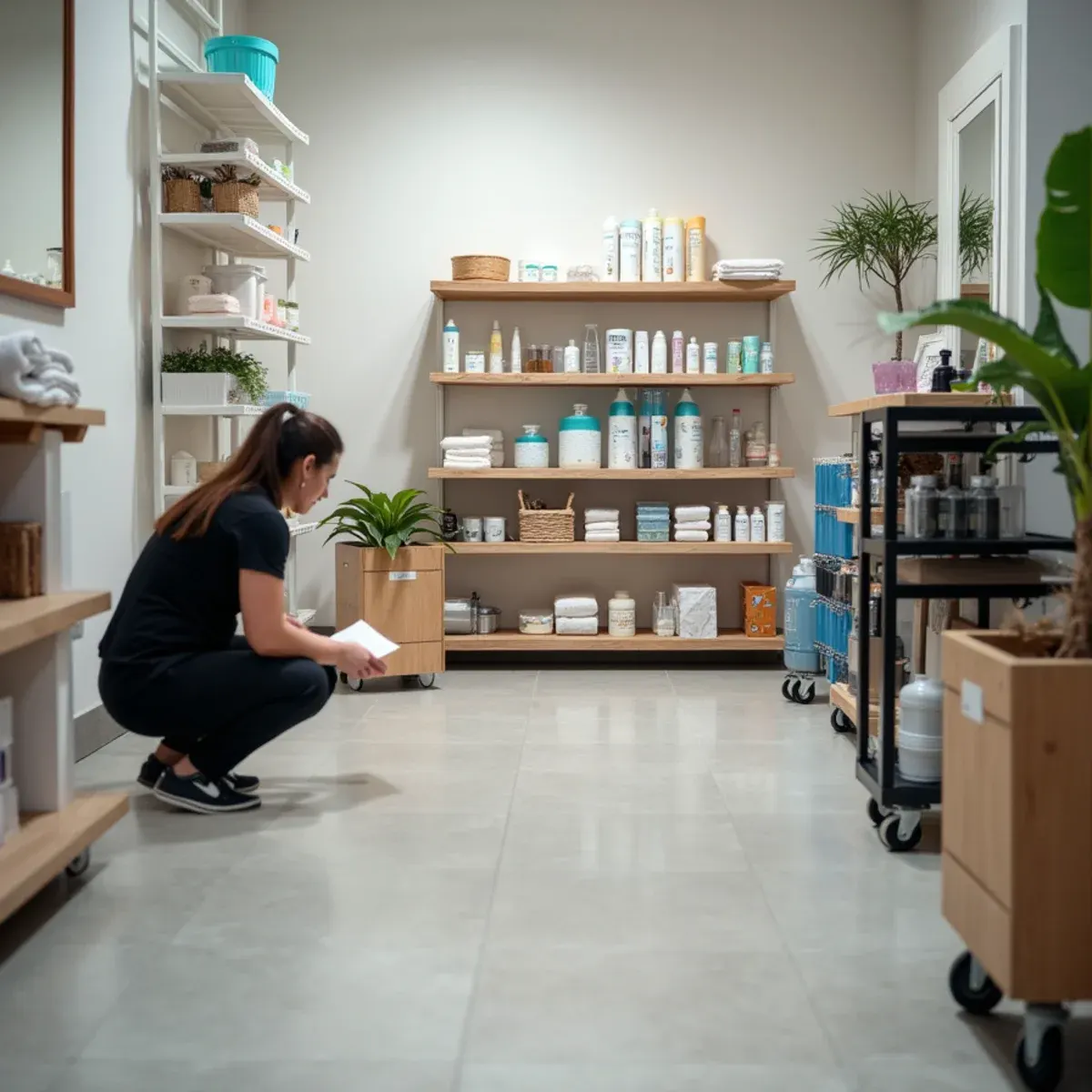
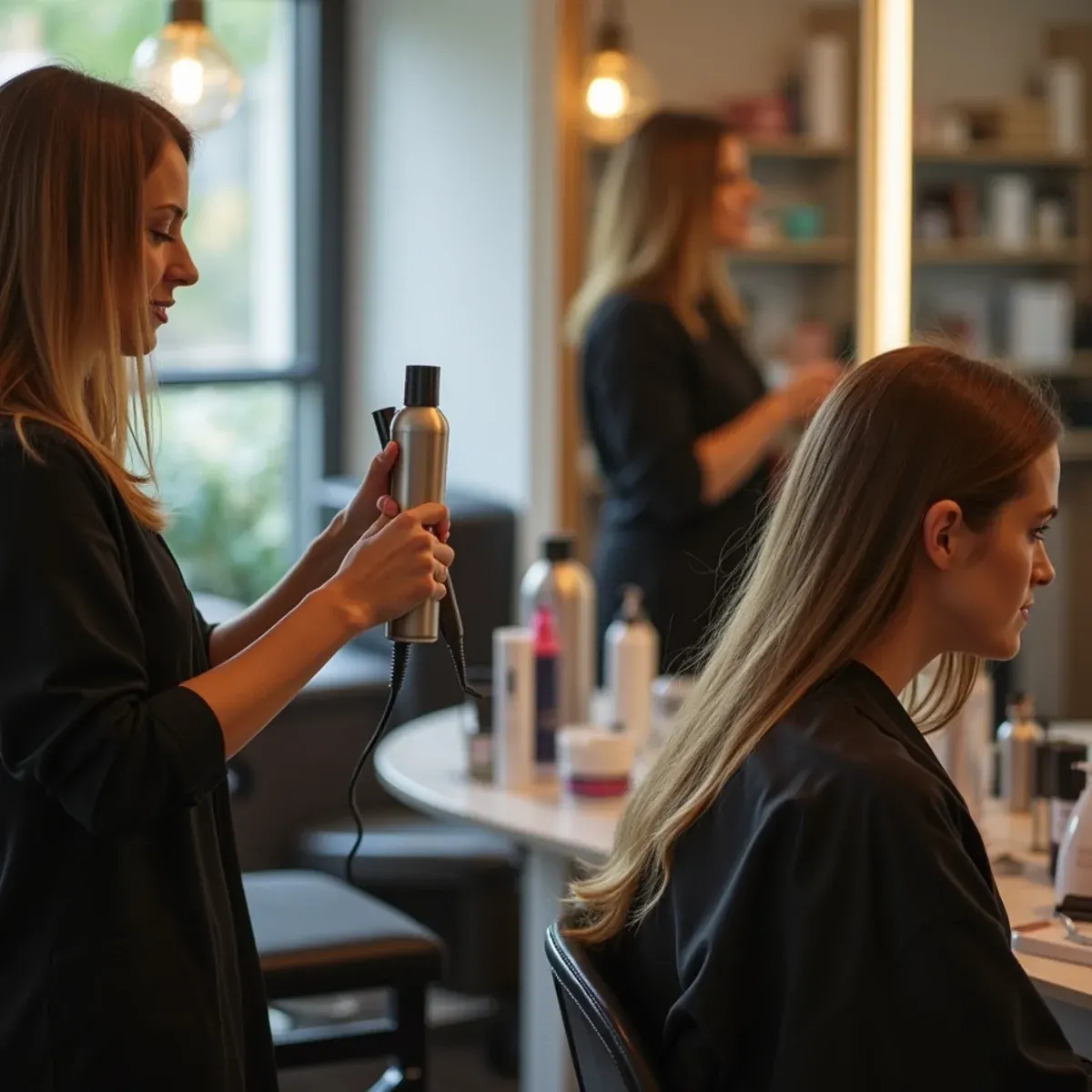
A salon suite needs five supply blocks on opening day: back-bar service products, consumables in realistic quantity, a complete sanitation setup, tools and station equipment, and a deliberately small retail selection. Miss any one and opening week produces an emergency supply run.
The block that gets underestimated almost every time is consumables. New operators buy one pack of gloves and a dozen towels, both of which disappear within days once real bookings start.
The block that gets overestimated is retail, because it is the visible one. This checklist covers all five with realistic opening quantities.
Block 1 — Back bar and service products
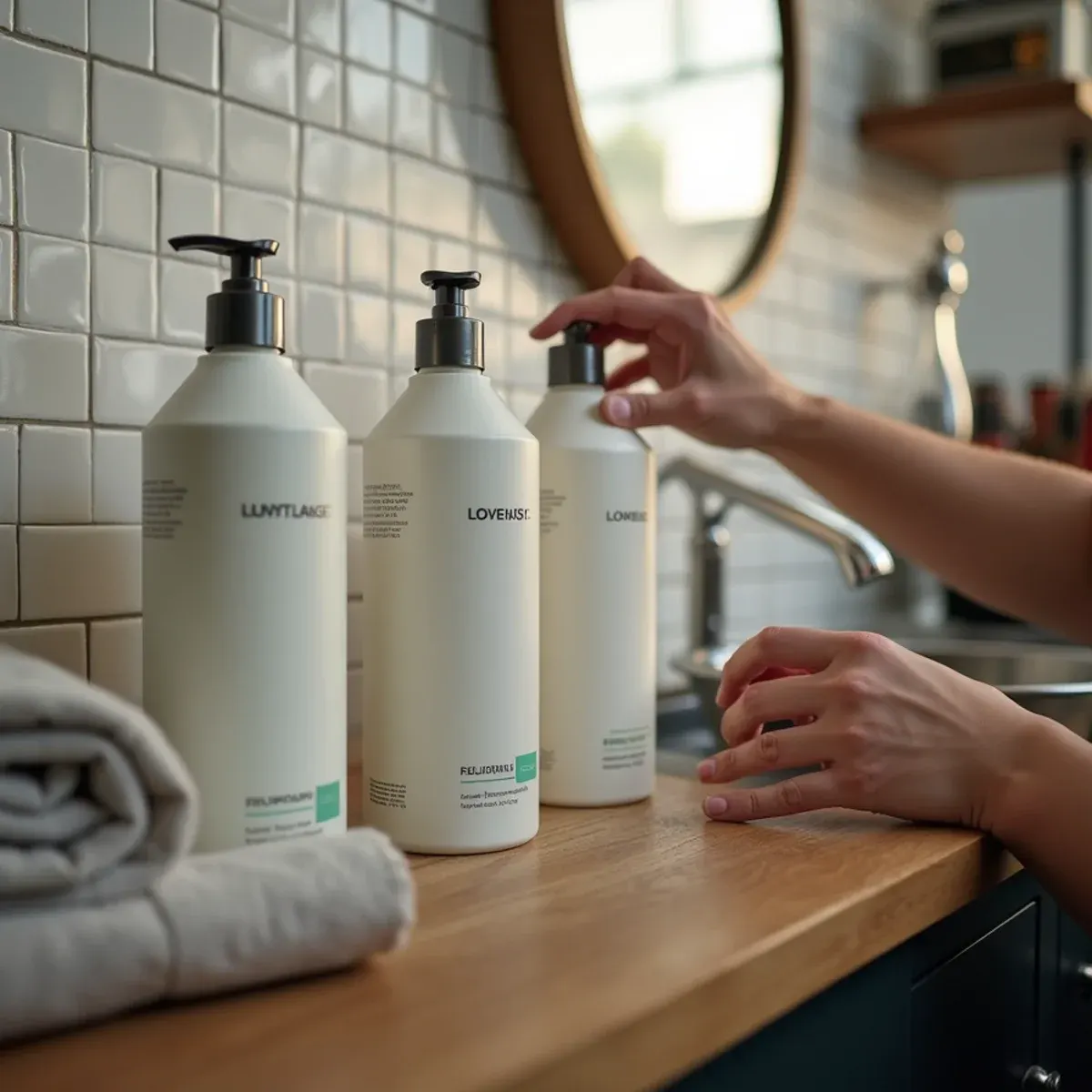
Everything you use on clients, in professional sizing. For a hair-focused suite that means a daily shampoo, a color-safe shampoo, one clarifying option, a standard conditioner and at least one treatment masque, all in liter or larger formats.
The single most common opening mistake here is servicing clients from retail bottles. It can double or triple your product cost per service, and it is entirely invisible until you calculate it.
Match the back bar to the services on your menu rather than to what you personally like using. Every service you offer needs its products present on day one.
Color and chemical lines are the exception to buying shallow. You are not buying products, you are buying coverage: enough levels and tones to formulate for the clients you actually book, plus the developer volumes those formulas call for. A missing developer volume stops a service even when every tube of color is in stock. Map your last six months of formulas if you have them, and stock to that rather than to a brand’s starter kit.
Block 2 — Consumables in realistic quantity
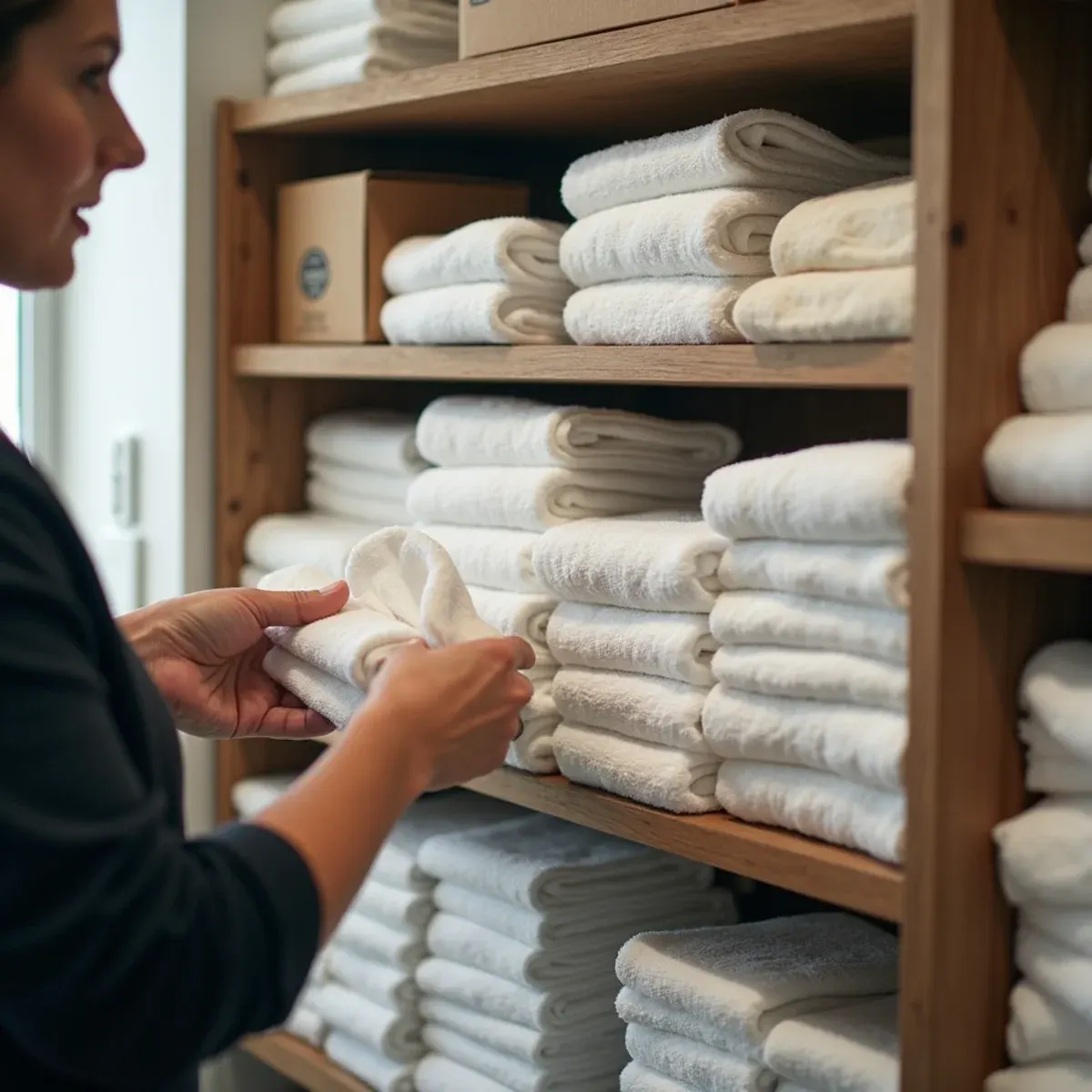
Gloves, towels, capes, neck strips, foils, cotton, applicators and disposables. Plan two weeks of consumption at your projected booking volume, not a starter pack.
Towels deserve their own calculation. You need roughly three times your weekly wash count to cover use, laundry and drying turnaround — a suite planning thirty washes a week should open with around ninety towels in circulation, not thirty.
Duplicate the fast-empty items. Base coat, top coat, dehydrator, acetone, developer — whatever your specialty burns through — are cheap to double and expensive to run out of with four clients booked.
Before you buy any of it, read the lease. Suite agreements differ on laundry, utilities, wifi and whether a shared washer exists at all — and the answer changes your numbers. A building with one shared machine and a queue of operators means your towels wait in line, so you carry more of them. A suite with in-room laundry means you carry fewer. Get it in writing rather than assuming what is communal.
Block 3 — A complete sanitation setup
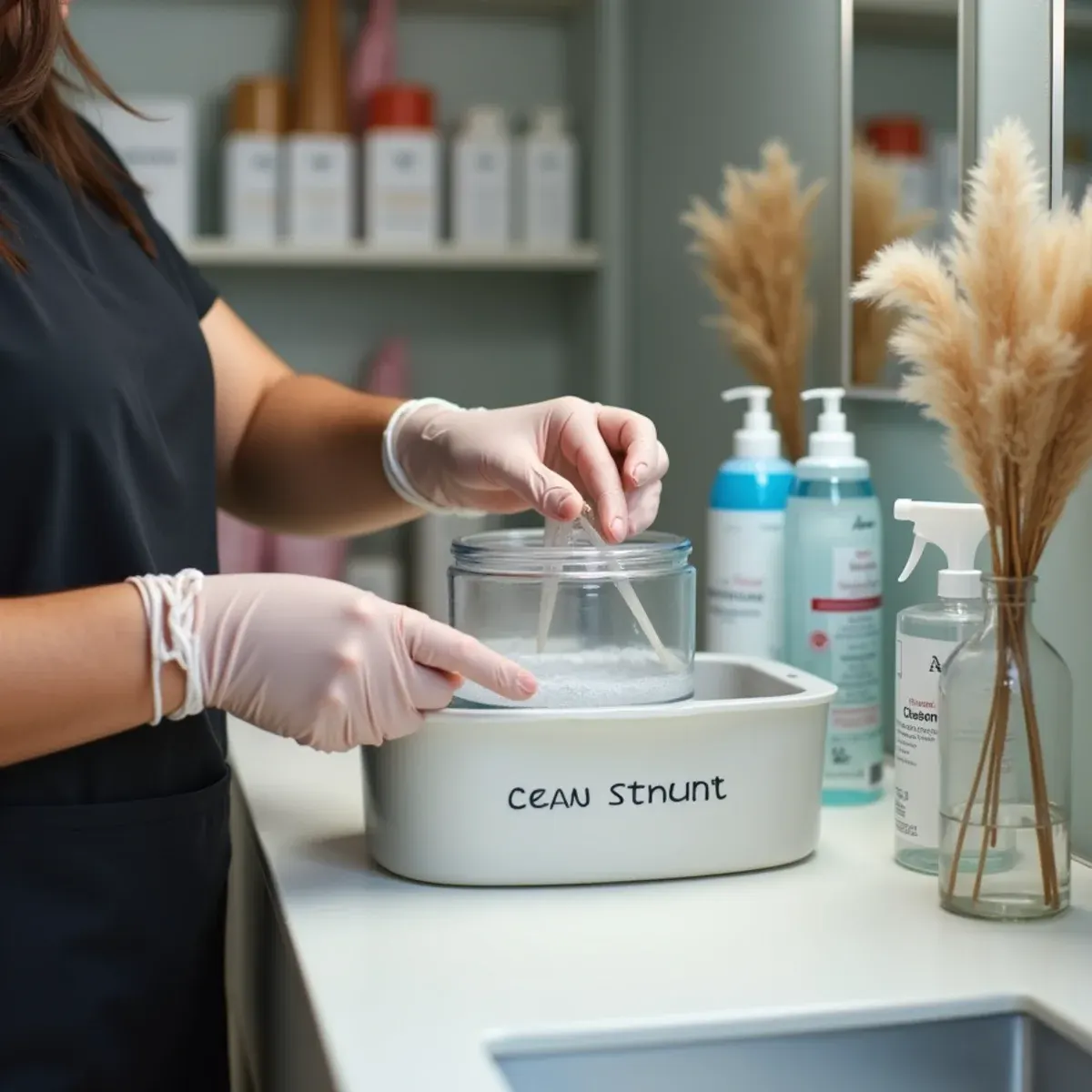
Implement disinfectant, jar sanitizers, surface cleaners, disposable barriers and clearly labeled storage for clean and used implements. This should be in place before your first client, not before your first inspection.
Michigan salon inspections examine implement handling closely. A setup that is already working properly makes an inspection uneventful; one assembled the week before makes it stressful and error-prone.
Buy a longer buffer here than elsewhere. Running out of disinfectant does not merely inconvenience you — it stops you delivering services correctly.
Michigan’s health and safety rules reach past disinfectant. They address first aid supplies — a kit carrying the ANSI/ISEA marking is the usual way to satisfy that — station surfaces that must be non-porous and disinfectable rather than fabric, and a suitable fire extinguisher where any service uses an open flame, such as fusion extensions. Read the current rules on the LARA site yourself; they change, and the supply list falls out of them.
Settle the licensing question before opening week too. Michigan defines a cosmetology suite inside its establishment framework, so whether your room needs its own establishment license or sits under the building’s is a question for LARA and your landlord, not for a forum. Ask both, in writing, while you still have time to act on the answer. This is general information rather than legal advice.
Block 4 — Tools and station equipment

Brushes, combs, clips, sectioning tools, bowls, bottles, a trolley and station organization. This is largely a one-time purchase, which makes it a genuine buy-once-or-buy-twice decision.
Invest in the things that hold an edge or take abuse — shears, nippers, e-file bits. Do not invest in bowls, bottles and organizers, where the expensive version does exactly the same job as the cheap one.
Plan the station layout deliberately. A badly organized station costs a minute or two on every single service, which across a full week is an hour you were not paid for.
Implement counts follow your turnaround, not your service list. A tool that is soaking cannot be used, so anything requiring disinfection between clients needs enough duplicates to cover the contact time while you keep working. Shears, combs, brushes, clips and nippers are all candidates. Work out how many back-to-back clients you can book before you run out of clean tools, then buy to that number rather than to one of each.
Block 5 — Opening retail, kept small
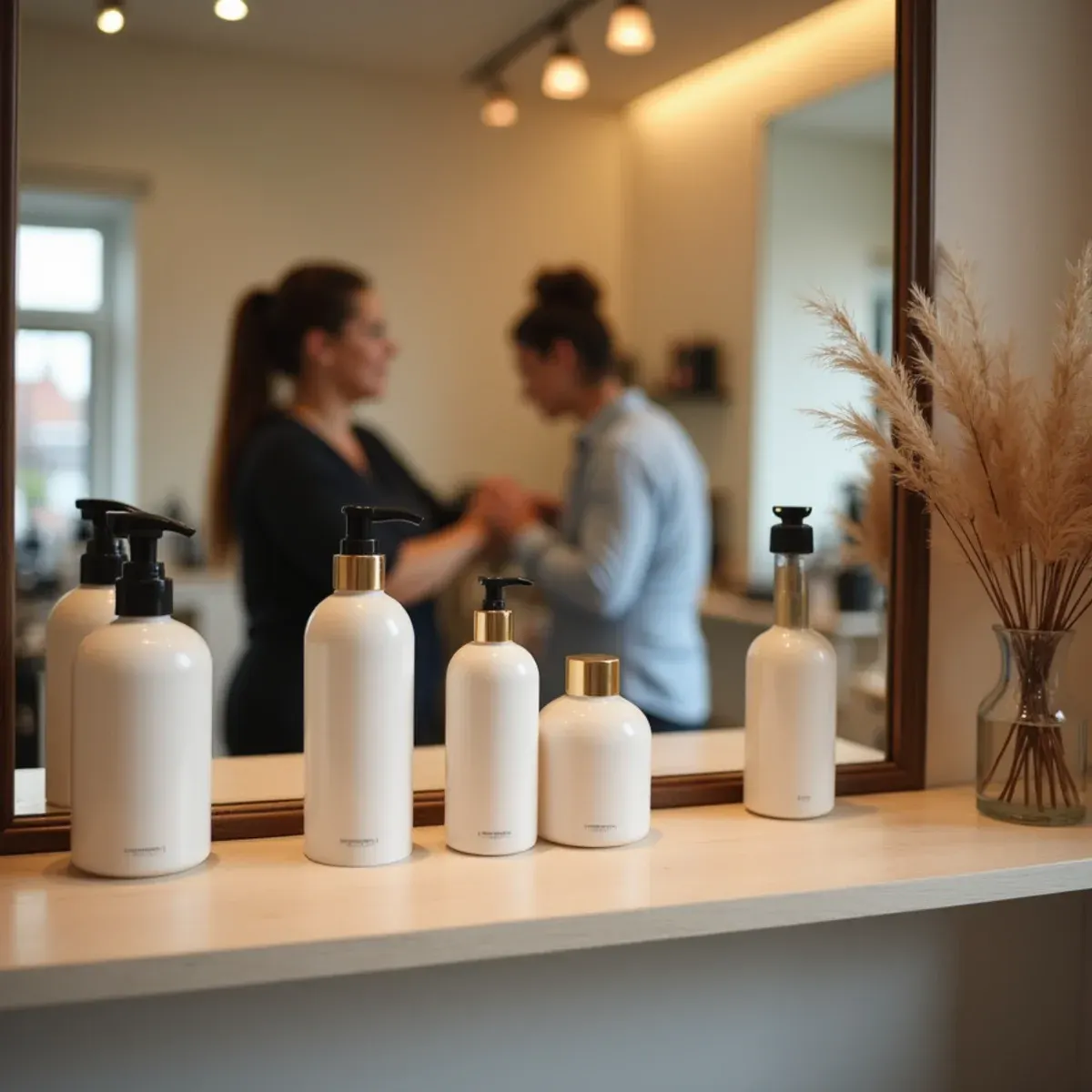
Retail should be the smallest block on opening day. Choose three to five products that directly follow the services you deliver, and stock them shallow.
The pull to fill shelves before opening is strong because it makes the space feel finished. That capital is far better held for your first two months of rent, and the shelf can be built out once clients tell you what they want.
The rule that matters: clients should be able to buy what they watched work. A product used during the service and available afterward sells itself. A product nobody has seen you use does not.
Sharing orders with your neighbors
Suite buildings across Warren, Sterling Heights and Clinton Township hold dozens of independent operators, each buying at single-chair volume and each losing the quantity advantage a larger salon would have.
Coordinating consumable orders across suites in the same building recovers most of that. Gloves, towels, disposables and sanitation supplies are identical regardless of specialty, which makes them straightforward to combine.
It takes one person to organize and it is worth doing in month one, before everyone settles into separate ordering habits that are harder to unpick later.
Frequently asked questions
How many towels does a new salon suite need?
Roughly three times your weekly wash count, to cover use, laundry and drying turnaround. A suite planning thirty washes a week should open with around ninety towels in circulation.
How much retail stock should a new suite carry at opening?
Three to five products that directly follow the services you deliver, stocked shallow. Capital is better held for early rent, and the shelf can be built out once clients show what they want.
What is the most common salon suite opening mistake?
Under-buying consumables and over-buying retail. Consumables are invisible until they run out mid-shift; retail is visible, which is exactly why new operators over-invest in it.
Can suite operators in the same building order together?
Yes, and they should. Gloves, towels, disposables and sanitation supplies are identical across specialities, so combining orders recovers most of the volume advantage a larger salon would have.
Does a salon suite need its own establishment license in Michigan?
Ask LARA and your landlord before opening. Michigan’s rules define a cosmetology suite within the establishment framework, so the answer depends on how your building is licensed and how your lease is written. Your individual practitioner license is separate and always required for services. This is general information, not legal advice.
How many sets of tools does a one-chair suite need?
Enough to keep working while implements are soaking. Anything disinfected between clients — shears, combs, brushes, clips, nippers — needs duplicates sized to your back-to-back booking pattern, not to your service menu. Count how many clients you can take before you run out of clean tools, and buy to that number.
What does a salon suite lease usually not cover?
Everything you use on a client, and often more. Suite agreements vary on laundry, utilities, wifi, cleaning and whether a shared washer exists, and consumables are almost always yours. Read the agreement before you build a supply budget, because a building without laundry changes your towel count and your monthly costs.
How much hair color should a new suite stock at opening?
Enough coverage rather than enough products. Stock the levels and tones you actually formulate for, and every developer volume those formulas need — a missing volume stops the service even when the color is there. Build from your own formula history if you have it, rather than from a brand’s prepackaged starter kit.