Buying Guides
How to Choose a Beauty Supplier: 9 Questions to Ask First

Choose a beauty supplier on access terms, minimums, product knowledge, freight economics and what happens when something goes wrong — not on the headline price of a single product. The cheapest unit price frequently belongs to the supplier that costs you most over a year.
The reason is that most of the real cost sits outside the price list. A supplier with a low unit price, a high minimum and a two-week lead time will cost a small business more than one priced slightly higher who is twenty minutes away and answers the phone.
These nine questions surface those costs before you commit, and most can be answered in a single phone call.
1. Do you require a license, tax ID or proof of enrollment?

Ask this first, because it determines whether the rest of the conversation matters. Many professional distributors verify a cosmetology license, salon business license or sales-tax ID before releasing a first order.
If you hold those credentials, this is simply a form to complete. If you do not — as a boutique owner, reseller, new booth renter or individual buyer — it is a hard stop, and you want to know within the first minute rather than after two weeks of back and forth.
2. Is there an annual fee or membership?

Some suppliers place pricing behind a paid membership. That can genuinely pencil out for a high-volume buyer and rarely does for a small one, because the fee is fixed regardless of how much you actually buy.
Do the arithmetic before joining. Divide the annual fee by your realistic yearly spend with that supplier and treat the result as a percentage added to every price on their list. For a solo operator that percentage is often larger than the discount being offered.
Ask about the other recurring charges while you have them on the phone. Card surcharges, restocking fees on returns, fuel or handling add-ons and delivery minimums all sit outside the price list and all land on every order. Ask too whether terms are available once you have a payment history. A supplier who will let an established account pay after delivery is financing your inventory, which is worth more to a small business than a small discount.
3. What is the minimum order?

Minimums written for large salons exclude small buyers entirely, and case-quantity requirements force over-buying on products that turn slowly. Both tie up cash you need elsewhere.
Ask specifically about first-order minimums and reorder minimums, which are often different. A supplier who will take a small reorder is far more useful in practice than one whose reorder threshold forces you to wait until you need a large order.
4. How fresh is the stock, and what is the shelf life?

This matters most for active skincare and anything with a defined period after opening. Products arriving with a short remaining window mean you are absorbing someone else’s aging inventory.
Ask how stock is rotated and what a typical remaining shelf life looks like on arrival. A supplier who cannot answer, or who seems surprised by the question, is telling you something useful.
5. Can you tell me what is actually in this product?

For skincare especially, ask what the active is and roughly at what concentration. A serum described only as "brightening" is a marketing phrase, not a specification, and you cannot advise a client or avoid a layering conflict on that basis.
This question also tests the supplier rather than the product. A supplier who knows their range will answer immediately; one who is simply moving boxes will send you to a manufacturer page.
Push the same question toward paperwork. For anything chemical — color, developer, lighteners, acetone, disinfectant, adhesives — ask whether the supplier can hand you a current safety data sheet. If you employ anyone, hazard communication rules expect those sheets to be on hand and accessible, and chasing them down later is far harder than asking at the point of purchase. A supplier who produces them without fuss saves you a compliance job.
One more question if a supplier offers to put your brand on the label. Under current federal cosmetics rules, the name on the label generally determines who carries the regulatory obligations — listing, safety substantiation, adverse event reporting — regardless of who made the product. Private label can be a good business, but go in knowing you are taking that on. Confirm the current position with the FDA or a regulatory advisor rather than with the factory.
6. What does freight actually cost on my typical order?
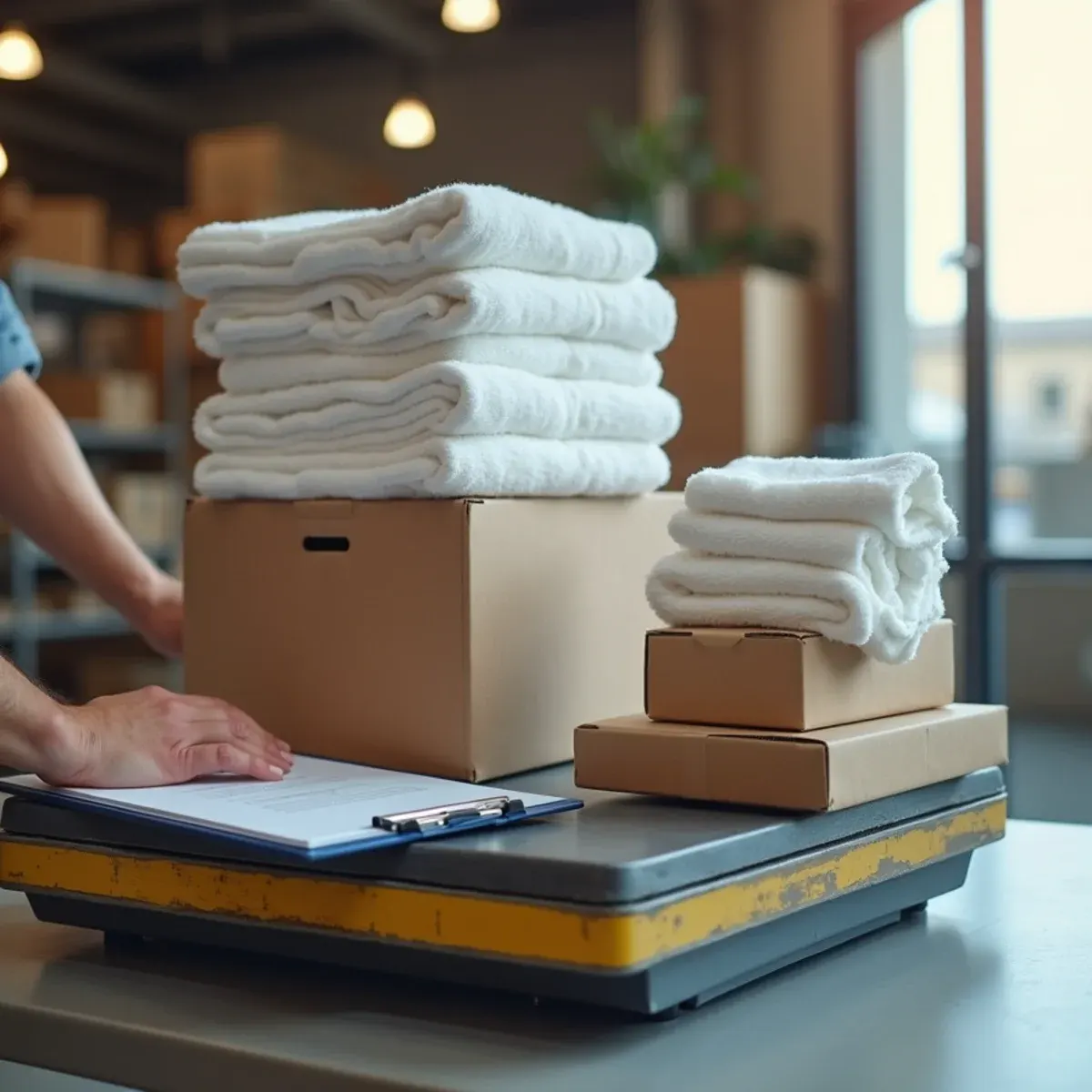
Ask about a realistic order, not a theoretical one. Bulky, low-value goods — towels, liners, disposables — cost far more to ship than their price suggests, because carriers price on dimensional volume as well as weight.
This is where a local supplier often wins decisively. If you can collect, freight on those categories disappears entirely, which can outweigh a meaningful difference in unit price.
7. What happens when something arrives damaged?
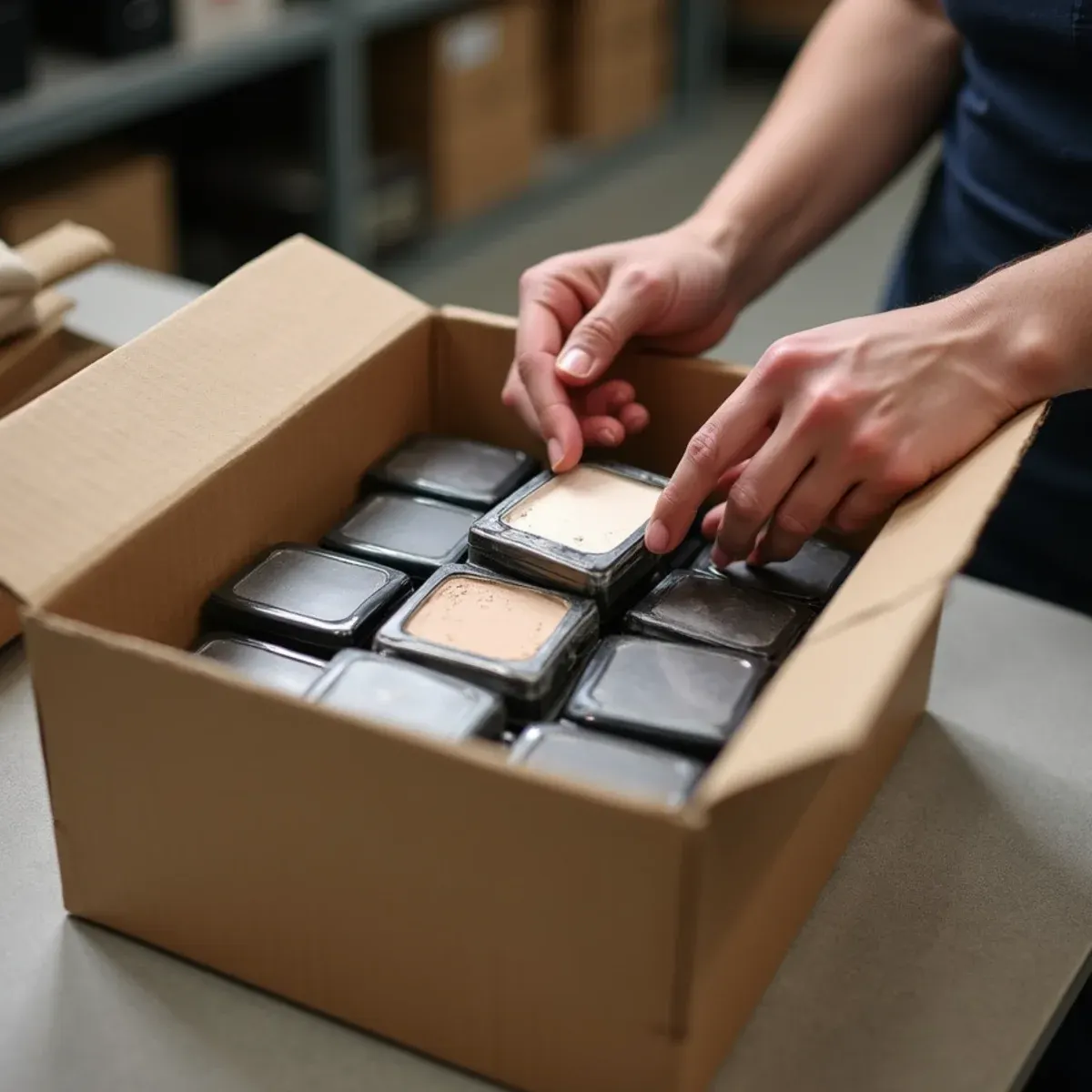
Pressed powders crack, glass breaks and bottles leak. The question is not whether it will happen but who absorbs it when it does.
Get a clear answer before you need one. A supplier who resolves damage without argument is worth paying more for than one whose process only becomes visible during a dispute.
8. How quickly can you restock my top sellers?
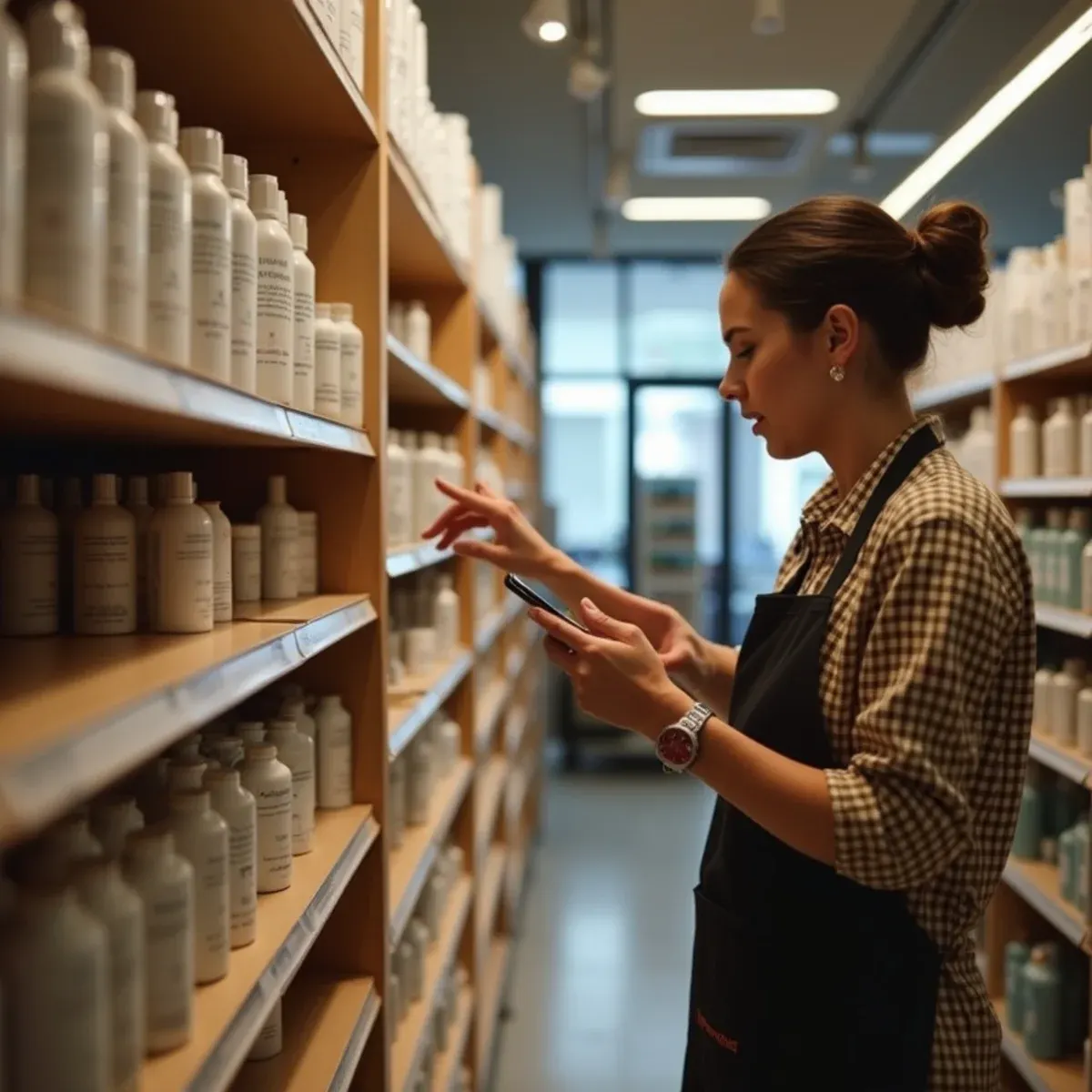
Your bestsellers are the only products where availability is genuinely urgent. Everything else can wait; a proven seller being out of stock is lost revenue every day it continues.
Ask what happens when a core line runs out, and how much notice you would get. A supplier who will tell you honestly that something is unavailable is more useful than one who lets you find out at reorder time.
Ask what a partial order looks like too. Some suppliers ship what they have and cancel the rest, some hold the whole order until it is complete, and some substitute a similar item without telling you. Each choice creates a different problem on your shelf. And keep a second source identified for your top three sellers before you need one — the day a core line goes out is the wrong day to start calling around.
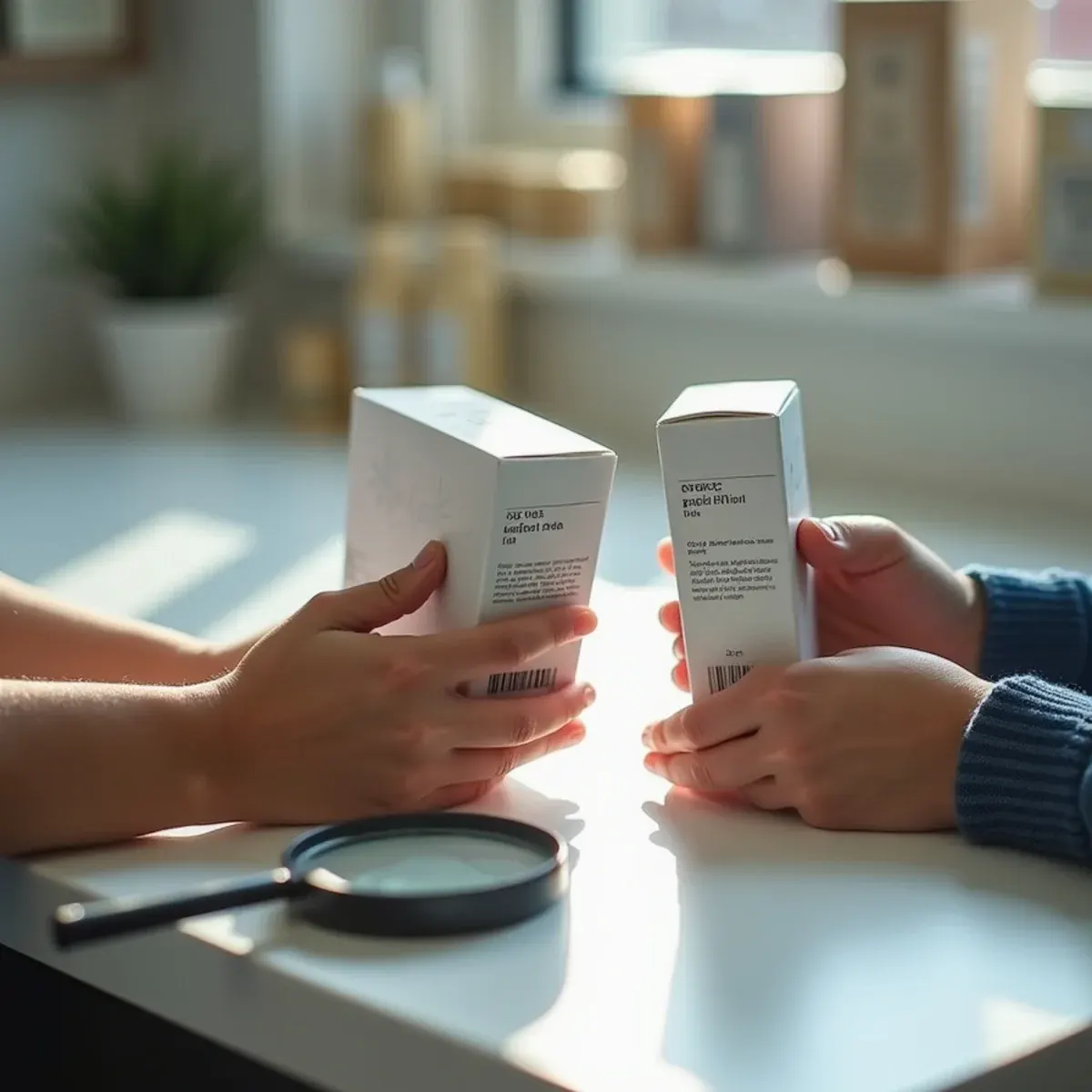
9. Can I see the product before I commit?

For anything where finish, texture or build quality matters — cosmetics, jewelry, tools — seeing it in person prevents expensive mistakes. Photographs are unreliable for exactly the attributes that determine whether a product sells.
This is the clearest practical advantage of buying from a supplier within driving distance. For businesses across Macomb, Oakland and Wayne County, a short trip to a Warren location to look at products before committing removes most of the risk from a new category.
Jewelry rewards this more than anything else you buy. In person you can check the clasp action, look for brassy patches where thin plating has already worn at the edges, rub a hidden spot with a white cloth, and ask what the base metal is and whether the line is nickel-free. Plated pieces over brass will oxidize once the plating goes; a photograph will never tell you how soon.
Frequently asked questions
What is the most important question to ask a beauty supplier?
Whether they require a license, tax ID or proof of enrollment. It determines whether you can buy from them at all, and it takes one minute to answer.
Is a membership-based beauty supplier worth it?
Divide the annual fee by your realistic yearly spend and treat the result as a percentage added to every price. For low-volume buyers that percentage frequently exceeds the discount offered.
Why does freight matter so much on beauty supplies?
Carriers price on dimensional volume as well as weight, so bulky low-value goods like towels and liners cost far more to ship than their value suggests. Local collection eliminates that cost entirely.
Should I choose a supplier based on lowest unit price?
No. Minimums, lead times, freight, shelf life on arrival and damage handling usually cost more over a year than the difference in unit price between two suppliers.
Should I ask a supplier for safety data sheets?
Yes, for anything chemical — color, developer, lighteners, acetone, disinfectants, adhesives. Hazard communication rules expect employers to keep current sheets accessible to staff, and collecting them at purchase is far easier than tracking them down later. A supplier who cannot produce one quickly is also telling you something about how they handle their range.
What should I check before committing to a fashion jewelry line?
Handle it first. Test the clasp, look for brassy wear at edges and contact points, rub a hidden area with a white cloth to see whether color transfers, and ask what the base metal is and whether the range is nickel-free. Thin plating over brass oxidizes once it wears through, and photographs hide exactly that.
Do I need more than one beauty supplier?
For your top sellers, yes. Identify a second source before a core line goes out of stock, not after, because that is the only inventory where every day out is lost revenue. Everything else can run single-source. Also ask each supplier what they do with a partial order — ship, hold or substitute — since each choice creates a different problem.
Is private label worth it if a supplier offers it?
It can be, provided you understand what moves with the label. Under current federal cosmetics rules the name on the label generally determines who carries the regulatory obligations, including listing and safety substantiation, no matter who manufactured the goods. Get the current position from the FDA or a regulatory advisor before you commit to a first run.